
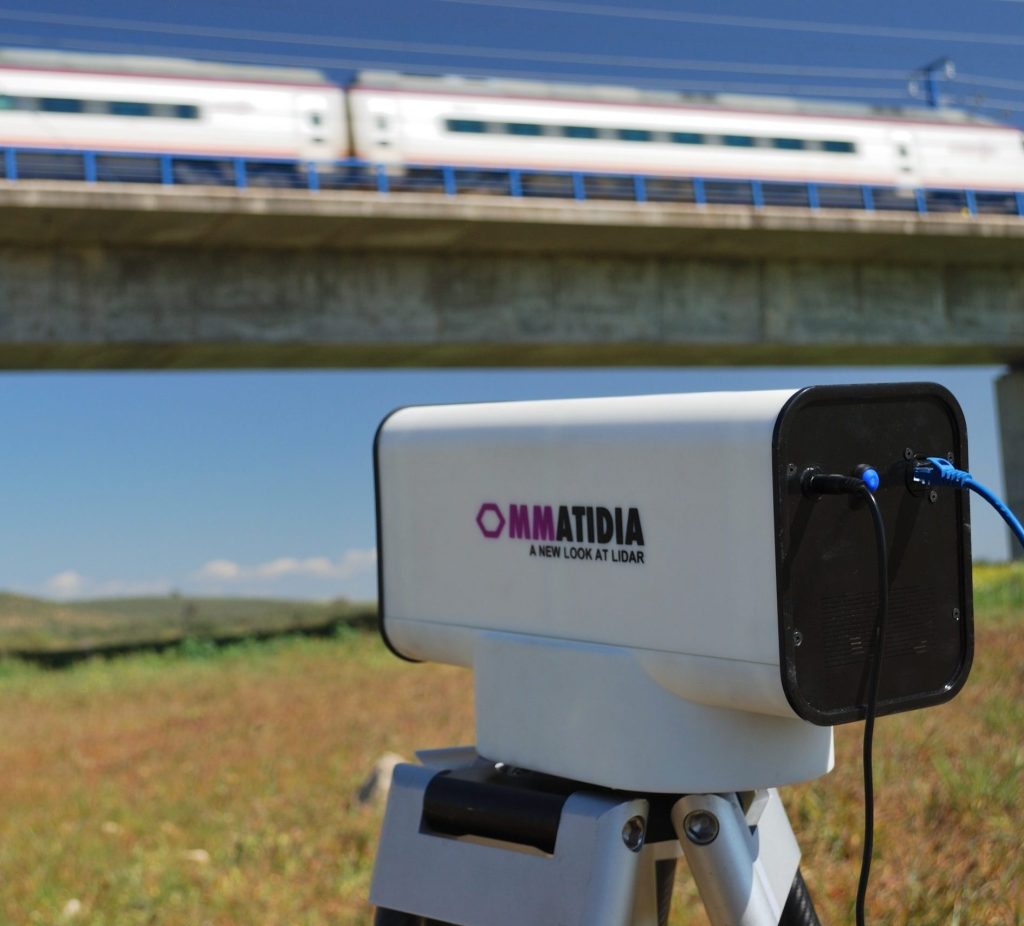
Vibration analysis has long been essential for monitoring the health and functionality of everything from aerospace components to industrial machinery. Traditionally, this has meant attaching sensors or physical probes to the surface of a structure, which can often disrupt measurements or even cause minor damage to sensitive materials. Enter laser doppler vibrometer (LDV), a game-changing technique that offers non-invasive vibration analysis with remarkable accuracy and versatility.
This blog will explore the primary benefits of using Laser Doppler Vibrometry (LDV) for non-contact vibration analysis. You’ll learn why this technology is gaining traction across industries, how it enhances measurement quality, and what makes it ideal for keeping pace with technological advances and industry trends.
The Power of Non-Invasive Vibration Analysis
Laser Doppler Vibrometry enables engineers and researchers to analyze vibrations without needing any physical contact with the object under investigation. A focused laser beam measures tiny vibrations and displacements, capturing real-time data that would be difficult or even impossible to obtain with traditional contact-based sensors.
What makes non-invasive measurement so valuable? Here are the core advantages:
No Physical Contact Required
One of the most significant benefits of LDV is that measurements can be performed from a distance, without touching the test subject. This eliminates any risk of adding mass, altering vibration characteristics, or damaging delicate surfaces. For items such as micro-mechanical systems, historic structures, or live biological specimens, non-invasiveness is especially critical.
High Sensitivity and Precision
Laser Doppler Vibrometers can detect extremely small velocity and displacement changes, often down to the nanometer scale. This high sensitivity ensures greater accuracy, especially when measuring low-amplitude vibrations or assessing high-frequency oscillations.
Wide Frequency Range
LDV systems offer a broad frequency range for measurement, often spanning from a few hertz up to several megahertz. This flexibility allows engineers and researchers to tackle a variety of applications, from slow, heavy machinery to ultrasonic vibration analyses.
Real-Time Data Acquisition
The real-time capabilities of LDV mean that data is captured continuously and instantly as vibrations occur. This facilitates dynamic monitoring, supports trend analysis over time, and enables fast diagnostics for automated safety and quality-control systems.
Advantages for Advanced Applications
Laser Doppler Vibrometry stands out in trending sectors that demand both precision and reliability. Let’s explore how this technology aligns with current needs and emerging requirements.
Preservation of Sensitive and Valuable Materials
When structures or objects are too sensitive, valuable, or simply inaccessible for physical sensors, LDV becomes invaluable. For example, in art conservation, heritage monuments, or prototype micro-devices, avoiding the risk of damage is a major concern. LDV allows for thorough vibration analysis with absolutely no risk to the subject.
Enhanced Safety and Efficiency
Remote and non-invasive analysis means technicians can stay at a safe distance from operating equipment or hazardous environments. LDV allows for vibration measurement through glass, vacuum chambers, or even underwater, boosting the safety and efficiency of data collection in challenging circumstances.
Multi-Point and Scanning Capabilities
Laser Doppler Vibrometry isn’t just about measuring a single point; scanning LDV systems can map vibrations across an entire surface. This enables comprehensive modal analysis, root-cause diagnosis, and visual representation of vibrational behavior, leading to better insights and informed decision-making.
Minimal Setup and Maintenance
Setting up an LDV system is usually straightforward compared to the installation of contact sensors or accelerometers, which often require cables, adhesive mounting, or elaborate positioning. A streamlined setup process saves time and labor costs, minimizes measurement preparation errors, and allows for rapid field deployment.
