
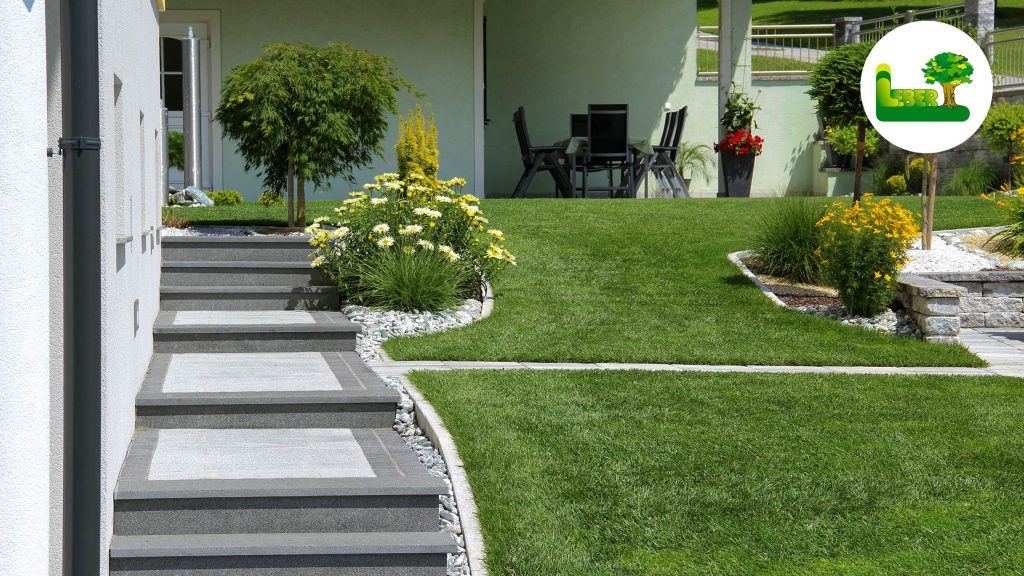
Creating a well-designed garden involves more than just planting flowers and shrubs; it requires precision, strategic planning, and the right tools. Whether you’re a novice gardener or a seasoned enthusiast, mastering Garden planner (Gartenplaner) techniques can transform your outdoor space into a flourishing oasis. Here’s a professional guide to navigating garden design with precision, highlighting essential tools and techniques for achieving optimal results.
1. Utilizing Essential Tools
Begin with the right tools for the job. Essential garden tools include:
- Trowel and Hand Pruners: Ideal for planting and pruning small plants and flowers.
- Spade and Shovel: Essential for digging and moving soil, mulch, and plants.
- Garden Fork: Used for aerating soil and turning compost.
- Garden Hose or Watering Can: Essential for watering plants, ensuring proper hydration.
Investing in high-quality tools ensures efficiency and durability, facilitating smoother garden maintenance and design implementation.
2. Understanding Design Principles
Familiarize yourself with fundamental design principles to create a cohesive and visually appealing garden layout:
- Balance: Achieve visual balance by distributing visual weight evenly throughout the garden.
- Unity: Create harmony by using consistent themes, color schemes, and plant groupings.
- Proportion: Maintain proportional relationships between elements such as plants, pathways, and structures.
- Rhythm: Establish a rhythmic flow through repeated patterns or plant placements.
Applying these principles helps create a well-structured garden that feels both natural and intentional.
3. Mapping Out Your Garden
Before planting, map out your garden design on paper or using digital tools. Consider factors such as sunlight exposure, soil conditions, and existing landscape features. Use measurements to ensure accurate spacing between plants and pathways, promoting optimal growth and accessibility.
4. Implementing Layered Planting Techniques
Utilize layered planting techniques to maximize space and visual interest:
- Groundcover Plants: Low-growing plants that spread and fill gaps, suppressing weeds and conserving moisture.
- Mid-level Plants: Shrubs and ornamental grasses that add height and texture to the garden.
- Canopy Plants: Tall trees or climbing plants that provide shade, structure, and vertical interest.
Layering plants creates depth and dimension, transforming flat garden spaces into dynamic landscapes.
5. Incorporating Hardscape Elements
Integrate hardscape elements such as pathways, retaining walls, and garden structures to enhance functionality and aesthetics. Use materials that complement your garden’s theme and natural surroundings, ensuring seamless integration with plantings and overall design.
6. Efficient Water Management
Implement efficient water management techniques to maintain plant health and conserve resources:
- Mulching: Apply mulch around plants to retain moisture, regulate soil temperature, and suppress weeds.
- Drip Irrigation Systems: Install drip irrigation systems to deliver water directly to plant roots, minimizing water waste and promoting efficient hydration.
7. Embracing Sustainability Practices
Adopt sustainable gardening practices to minimize environmental impact and promote ecosystem health:
- Composting: Recycle organic matter to enrich soil fertility and reduce waste.
- Native Plants: Choose native plants adapted to local climate and soil conditions, requiring less water and maintenance.
- Natural Pest Control: Integrate beneficial insects and companion planting to manage pests without harmful chemicals.
8. Regular Maintenance and Care
Establish a regular maintenance routine to ensure the longevity and vitality of your garden:
- Pruning and Deadheading: Remove dead or overgrown plant material to promote healthy growth and flowering.
- Weeding: Control weeds to reduce competition for nutrients and water, maintaining a tidy appearance.
- Seasonal Clean-up: Prepare your garden for seasonal changes by clearing debris, refreshing mulch, and adjusting watering schedules as needed.
Navigating garden design with precision involves careful planning, attention to detail, and a commitment to sustainable practices. By utilizing essential tools and techniques, you can create a well-designed garden that enhances your outdoor living experience and serves as a testament to your gardening prowess. Happy designing!
